
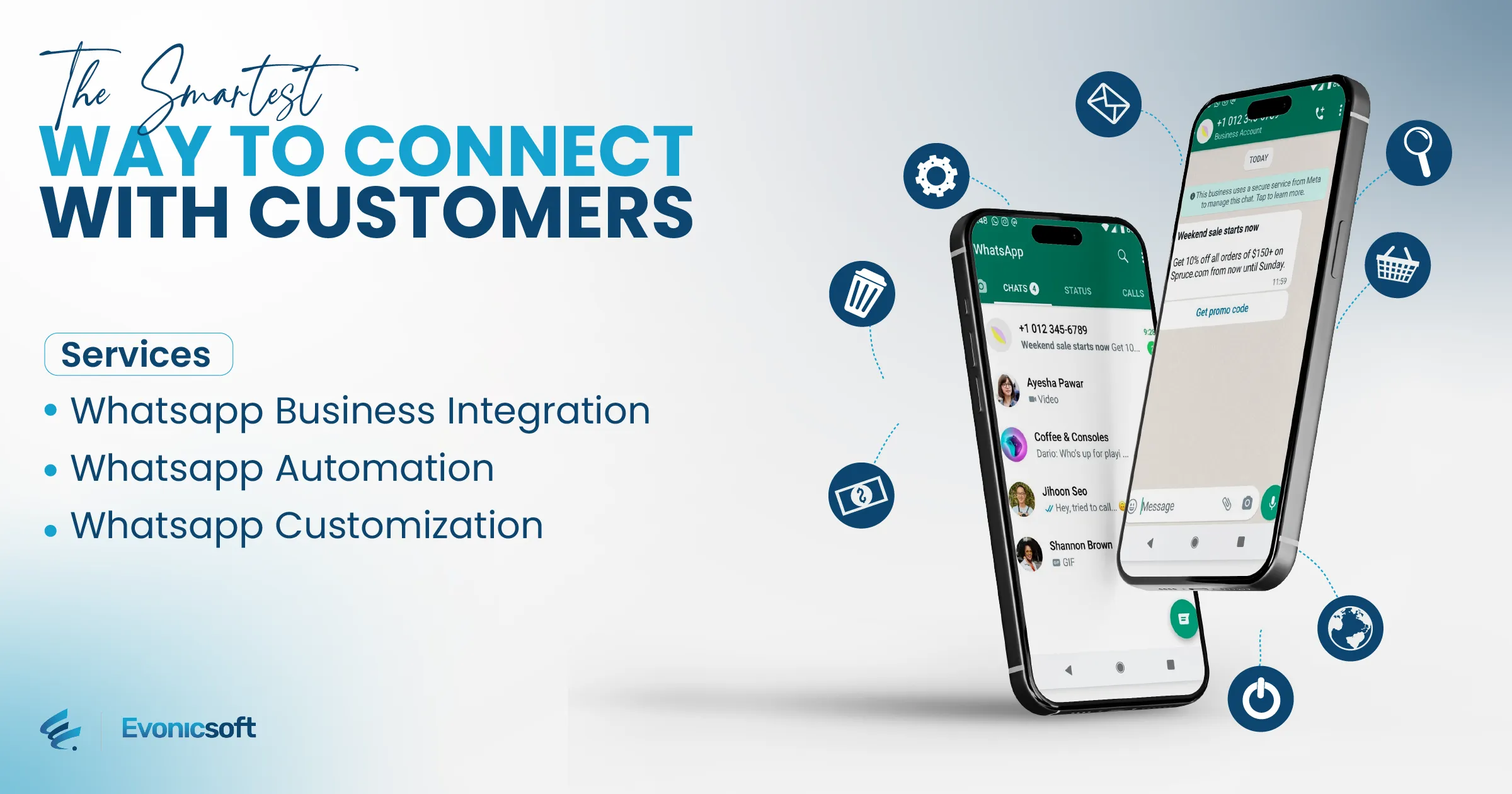
WhatsApp Business Integration might sound like some fancy tech jargon, but let me put it simply—it’s just a smarter way to talk to your customers. And here’s the fun part: they’re already on WhatsApp, scrolling, chatting, sharing memes. So why not show up there too?
Seriously, think about it. When was the last time you ignored a WhatsApp ping? Hardly ever, right? Those little green notifications have this magical way of pulling us in. Compare that to email. Half the time, emails get lost in spam folders or buried under promotions. But WhatsApp? That’s instant attention.
The Real Shift Happening Right Now
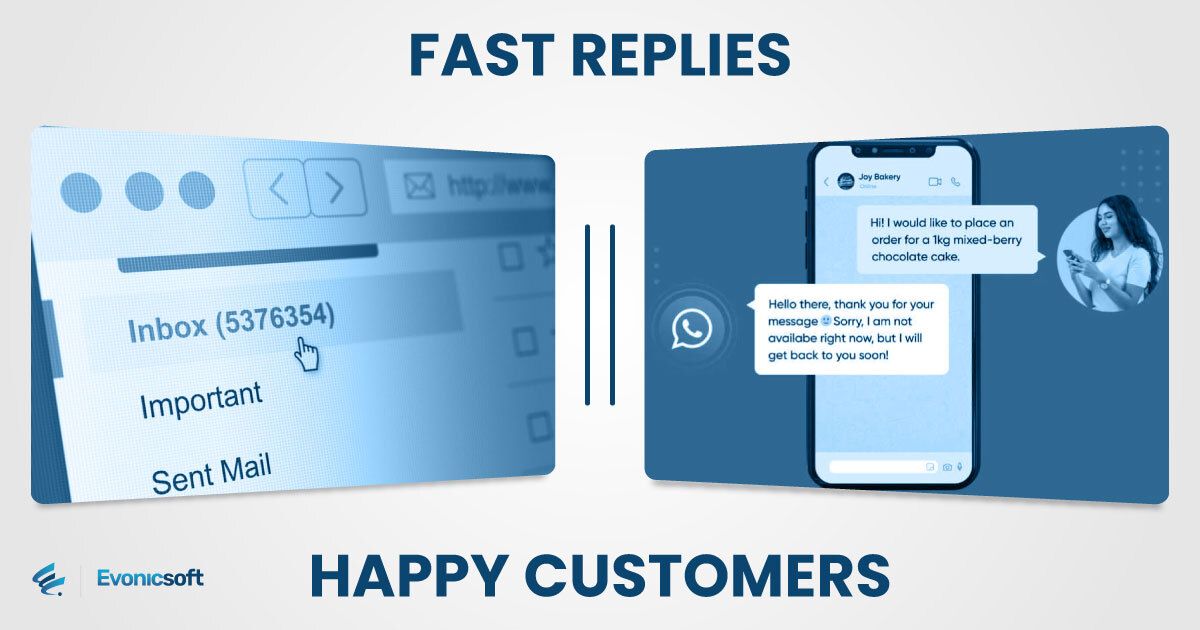
Here’s what I’ve noticed: businesses that figure this out early end up looking way more approachable. It’s not about “fancy marketing” anymore. Customers don’t care about a slick slogan as much as they care about getting a quick reply.
And honestly, they deserve it. Who has the patience to wait two days for an email response about something simple like “Is this in stock?” or “Can I reschedule my appointment?” With WhatsApp Business Integration, those answers pop up instantly. Boom. No frustration.
So What Does WhatsApp Business Integration Actually Do?
Let’s clear the fog. Integration doesn’t just mean “you can send messages.” It’s more than that. It’s about weaving WhatsApp into the way your business already works.
- Someone places an order? They get an update right in WhatsApp.
- A customer asks a FAQ you’ve heard a thousand times? Automation answers it for you.
- You’ve got a new product launch? Send out a broadcast list—your update lands exactly where people are already chatting.
And here’s where customization services step in. Every business is a little different, right? A dentist’s office doesn’t need the same setup as an online clothing store. Customization makes sure your WhatsApp workflow fits your world—reminders, order tracking, payment links, whatever.
According to a recent report by Statista⤴, WhatsApp has more than 2.7 billion active users worldwide, and the number keeps growing every month. That means almost every customer you serve is already using it. Businesses that integrate WhatsApp early don’t just improve customer support—they future-proof their communication strategy.
A Quick Example (Because Stories Stick Better)
Take a small restaurant. They used to spend hours answering phone calls about table bookings. Customers hated being put on hold, and staff hated juggling calls during dinner rush.
With WhatsApp Business Integration, things flipped. Now, customers send a quick message, get automated booking confirmation, and even receive a reminder an hour before dinner. If they cancel, the slot opens up automatically. The restaurant doesn’t just save time—they actually serve more customers because tables don’t sit empty.
And the customer? They feel like the restaurant is super organized. It’s a win-win.
Automation: The Silent Hero
Automation is where the magic happens. Imagine you’re handling a hundred customers a day. Answering “What’s your price?” or “What’s your return policy?” gets old fast. With automation, those replies fire back instantly.
But don’t confuse automation with being “robotic.” The beauty is, you can set it up in a warm, conversational style. For example:
“Hey! 👋 Thanks for reaching out. Our team’s busy right now, but here’s a quick answer to your question…”
That doesn’t feel robotic at all. That feels human, just faster.
We don’t just stop at WhatsApp Business Integration. If you’re also thinking about website development or even mobile app development, we make sure those platforms are connected seamlessly with your WhatsApp workflows. Explore our Web Development Services⤴ and App Development Services[⤴](/) to see how we tie everything together.
Why Customization Matters (Maybe More Than You Think)

Here’s the trap some businesses fall into—they grab a plug-and-play system and assume it’ll work perfectly. Spoiler alert: it rarely does.
Customization is where you shape the experience. Maybe you want messages to go out in a specific tone (fun and casual, or professional and sharp). Maybe you need WhatsApp to sync with your CRM so leads don’t slip through. Or maybe you want a chatbot that actually sells instead of just answering questions.
That’s customization. It’s not just bells and whistles. It’s how you make WhatsApp feel like your brand, not just another channel.
Common Mistakes Businesses Make With WhatsApp
Alright, here’s the part nobody likes to admit—sometimes businesses jump into WhatsApp Business Integration and mess it up. Don’t worry, it happens. But let’s run through a few classic slip-ups so you can avoid them:
- Over-automation → If every single reply is robotic, customers feel ignored. Keep the balance between automation and real human touch.
- Spamming customers → Just because you can broadcast messages doesn’t mean you should. Send too many updates, and people will block you in a heartbeat.
- No personalization → Copy-paste responses won’t cut it. Even automation can feel warm if you customize it properly.
- Ignoring feedback → WhatsApp makes it so easy to collect quick feedback… yet many businesses forget to ask. That’s wasted gold.
Fixing these mistakes is simple once you’re aware of them. Think quality over quantity. Use WhatsApp as a two-way street, not just a megaphone. That’s when people actually like hearing from your brand.
Why This Isn’t Optional Anymore
Customers have been spoiled (in a good way). Amazon ships overnight. Netflix plays instantly. Uber shows up in five minutes. People expect businesses to be just as quick, no matter the size.
So when they message you on WhatsApp and get ignored for hours, guess what? They’ll go straight to a competitor who replies faster. That’s not me trying to scare you—that’s just how people shop now.
WhatsApp Business Integration gives you that speed. Combine it with customization and automation, and you’ve got something better than just customer service. You’ve got customer loyalty.
In fact, WhatsApp Business Integration gives companies a direct way to talk with customers. As a result**,** communication feels fast and convenient. More importantly, customers feel like they’re messaging a friend instead of a company.
What the Future Looks Like (Spoiler: It’s Already Here)
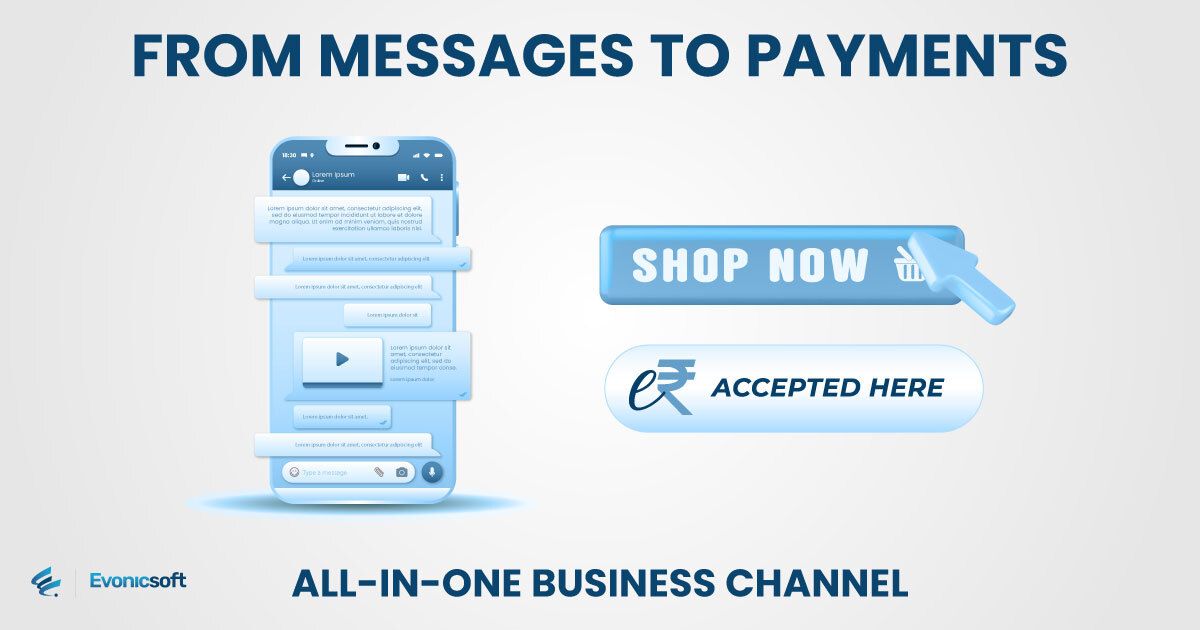
We’re not just talking about text messages anymore. With WhatsApp’s new features, you can:
- Share product catalogs inside the app (no clunky PDFs).
- Collect secure payments without sending people to another site.
- Send reminders, alerts, or even birthday discounts.
- Collect instant feedback after a service call.
Basically, WhatsApp is turning into a mini business hub. Customers don’t have to switch apps. They don’t have to type in your website. They don’t even have to dial a number. It all happens in one familiar chat window.
Let’s Be Honest…
At this point, not having WhatsApp Business Integration is kind of like not having a website back in 2010. Sure, you could survive without one, but why make things harder? Customers are already waiting for you in that chat box.
And the beauty is, you don’t need to overhaul your whole business. Start small. Automate FAQs. Customize a welcome message. Then grow from there. Step by step, your customer experience starts to feel smoother, faster, friendlier.
Final Thoughts
WhatsApp Business Integration isn’t some futuristic idea. It’s happening right now, and it’s reshaping how customers expect businesses to talk to them.
With automation, you get speed.
With customization, you get personality.
Put the two together, and you’ve got a business that feels modern, human, and responsive.
So the real question isn’t whether you should use WhatsApp. The question is: how long are you willing to let your competitors get ahead before you jump in?